
Human Connection and Relationships
Human Connection and Relationships explores family bonds, friendships, social belonging, cultural relationship systems, and emotional connection across worldwide societies and communities. This section connects interpersonal relationships, community identity, generational ties, and social expectations into a scalable knowledge ecosystem focused on understanding how people build trust, connection, support, and belonging throughout human life experiences.
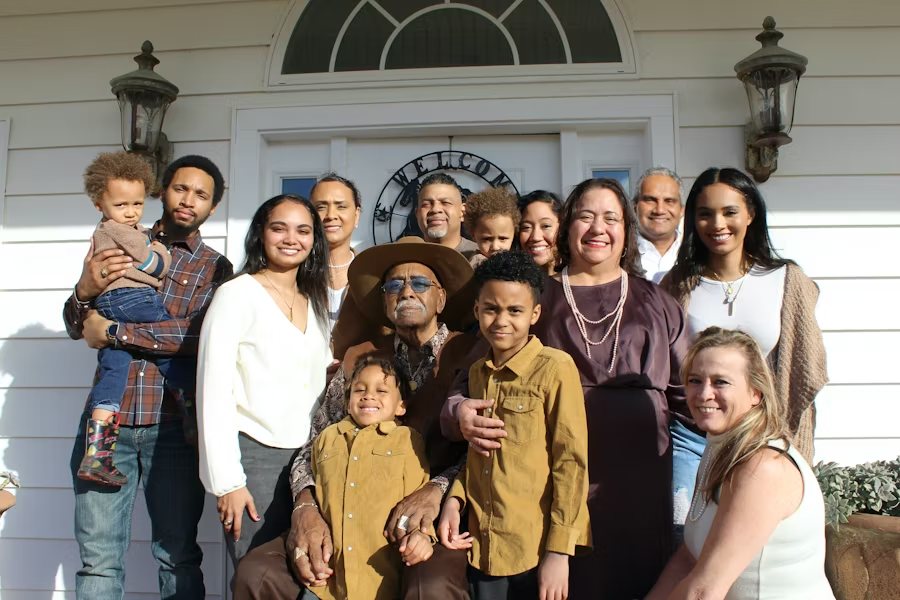
Family Roles and Generational Bonds
Explore family traditions, generational relationships, caregiving systems, and cultural family structures worldwide.

Friendship and Community Belonging
Learn about social connection, friendship systems, emotional support, and community belonging across societies.
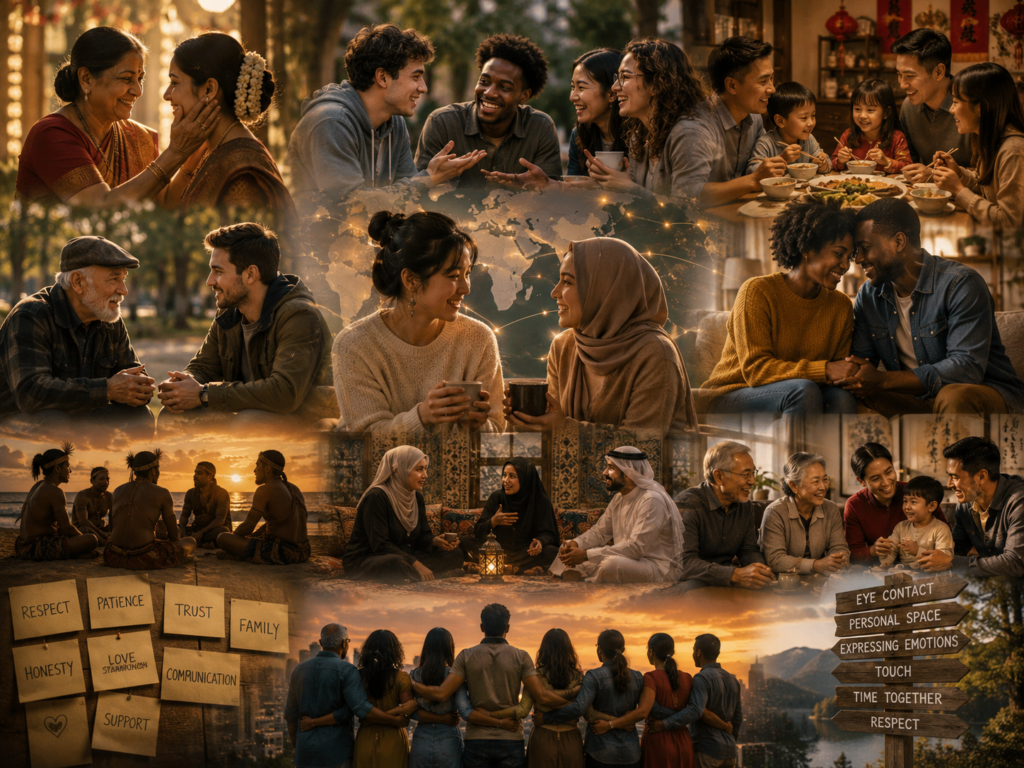
Cultural Views on Relationships
Understand how cultures shape relationship expectations, communication styles, and emotional connection traditions.
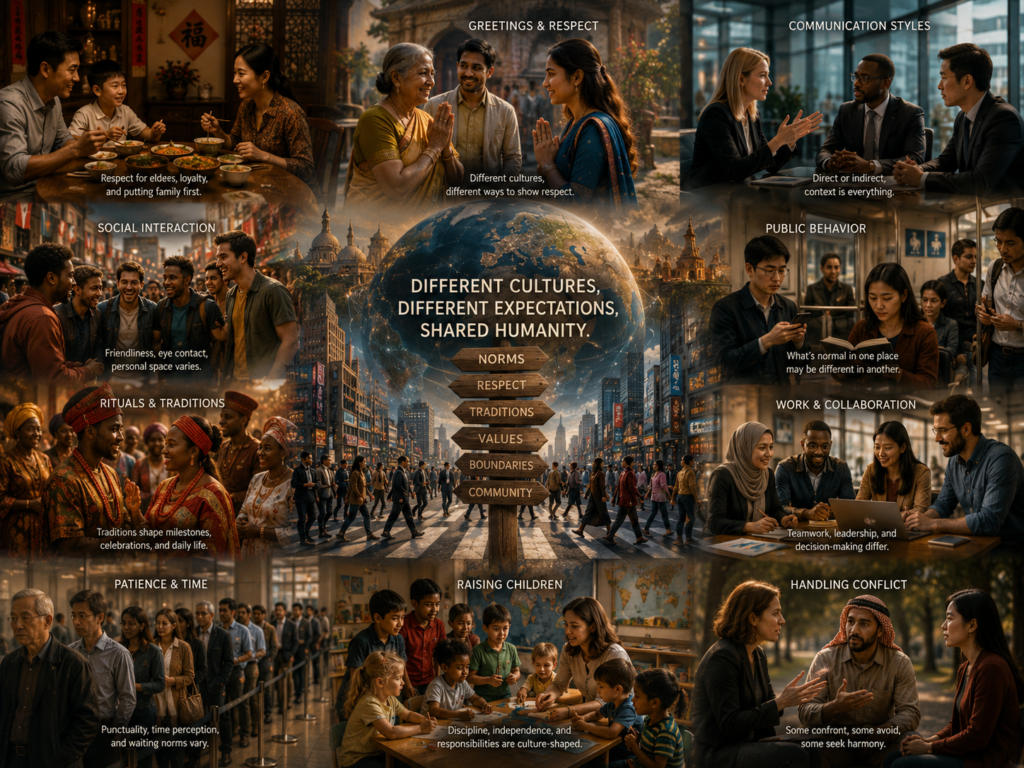
Social Expectations Across Cultures
Explore social norms, behavioral expectations, and relationship dynamics across international communities and societies.
Human Connection and Relationships is a worldwide human experience knowledge ecosystem focused on family systems, friendships, social belonging, cultural relationship structures, and emotional connection across global societies and communities. As digital communication systems, globalization, multicultural environments, online social interaction, and evolving social structures continue reshaping modern civilization, understanding human relationships and social connection becomes increasingly important for education, communication, emotional awareness, and cultural understanding.
This section explores family roles, generational bonds, friendship systems, community belonging, cultural relationship expectations, emotional support networks, social interaction patterns, and interpersonal communication traditions across worldwide societies. Topics include caregiving systems, emotional connection, social trust, cultural relationship customs, community identity, behavioral expectations, support structures, and the role relationships play in shaping belonging, emotional stability, identity development, and long term human well-being.
Modern global society increasingly operates through interconnected communication infrastructure, online communities, multicultural interaction, evolving family systems, and international social networks where understanding relationship dynamics and emotional connection plays a major role in communication, mental awareness, education, and social development. Learning how individuals build trust, maintain relationships, and create community across cultures helps people better understand the diversity of human experiences and the shared emotional journeys connected through family, friendship, support, and belonging.
Relationship infrastructure also supports education systems, emotional awareness, community development, communication growth, cultural preservation, and long term appreciation of worldwide human experiences and social evolution. This ecosystem organizes human connection and relationships into a scalable framework designed to support exploration, awareness, and appreciation of international human experiences across generations and interconnected societies.