
Accessibility and Inclusive Technology
Accessibility and Inclusive Technology explores assistive computing systems, adaptive workplace solutions, inclusive digital workflows, and accessibility-focused technology connected to modern productivity and digital participation environments. This section connects assistive software, adaptive devices, screen readers, voice assistance systems, accessibility-focused workstation tools, and inclusive productivity systems into a scalable knowledge ecosystem focused on understanding how technology supports usability, independence, communication, and equal digital access for diverse users and work environments.

Assistive Software and OS Accessibility
Explore screen readers, accessibility settings, voice assistance systems, and inclusive operating system features.

Adaptive Input and Output Devices
Learn about adaptive keyboards, accessibility peripherals, alternative input systems, and inclusive hardware technology.
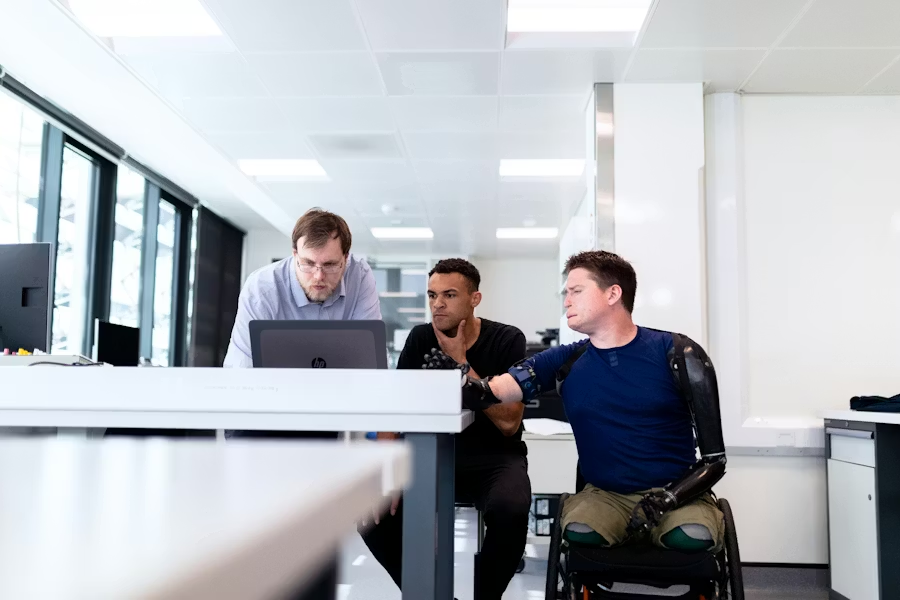
Workplace Accessibility Tools
Understand workplace support technology, accessibility-focused productivity systems, and inclusive office environments.

Inclusive Productivity Systems
Explore inclusive workflow systems, communication accessibility, usability-focused tools, and adaptive productivity methods.

Accessibility Standards and Compliance
Learn about accessibility guidelines, digital inclusion standards, compliance systems, and usability best practices.
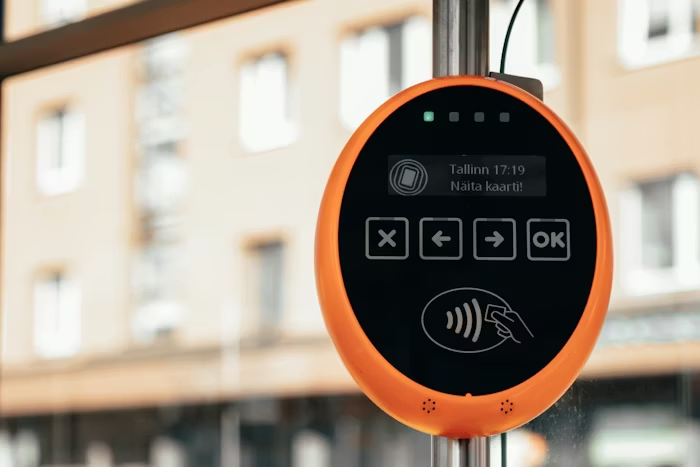
Screen Readers and Voice Assistance
Explore voice-guided accessibility systems, screen reading software, and audio-based digital navigation tools.

Accessibility Software and Interface Tools
Learn about adaptive interface systems, usability-focused software environments, and accessibility enhancement platforms.
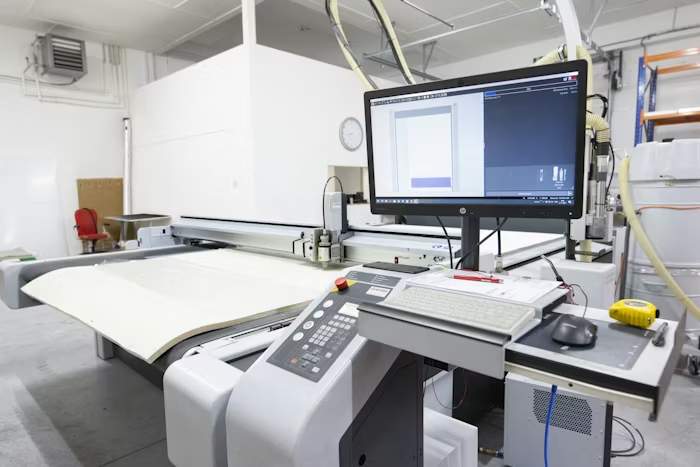
Inclusive Workstation Setups
Explore accessibility-focused workstation environments, adaptive office layouts, and inclusive productivity hardware setups.
Accessibility and Inclusive Technology is a digital inclusion and adaptive productivity knowledge ecosystem focused on assistive computing systems, accessibility infrastructure, inclusive technology workflows, and usability-focused digital environments across modern workplaces, education systems, and productivity ecosystems. As digital systems continue operating as essential infrastructure for communication, education, employment, productivity, and online participation, understanding accessibility technology becomes increasingly important for inclusive design, equal access, and modern digital usability.
This section explores assistive software systems, operating system accessibility features, adaptive input devices, workplace accessibility technology, inclusive productivity workflows, usability standards, digital accessibility compliance, communication support systems, screen readers, voice assistance systems, adaptive interface tools, and accessibility-focused workstation environments connected to modern computing ecosystems and accessible digital experiences. Topics include screen readers, voice control systems, adaptive hardware, inclusive software design, accessibility-focused workflows, workplace usability, digital participation, accessibility compliance frameworks, interface optimization, and the role inclusive technology plays in supporting independence, communication, productivity, and equal digital access.
Modern accessibility infrastructure increasingly operates through AI-assisted accessibility systems, adaptive computing environments, inclusive workplace technology, cloud-based communication tools, usability-focused software design, and interconnected digital ecosystems where understanding accessibility technology and inclusive productivity systems plays a major role in equal participation, workplace inclusion, digital transformation, and accessible computing experiences. Learning how individuals, businesses, educators, developers, and accessibility-focused organizations interact across inclusive technology ecosystems helps people better understand the importance of usability infrastructure and the shared experiences connected through communication, independence, inclusion, and digital participation.
Accessibility infrastructure also supports workplace inclusion systems, adaptive productivity environments, assistive technology innovation, digital usability standards, communication accessibility workflows, and long term appreciation of inclusive technology culture and equal access systems. This ecosystem organizes Accessibility and Inclusive Technology into a scalable framework designed to support exploration, awareness, and appreciation of modern accessibility systems and inclusive digital workflows across business, education, and productivity environments.